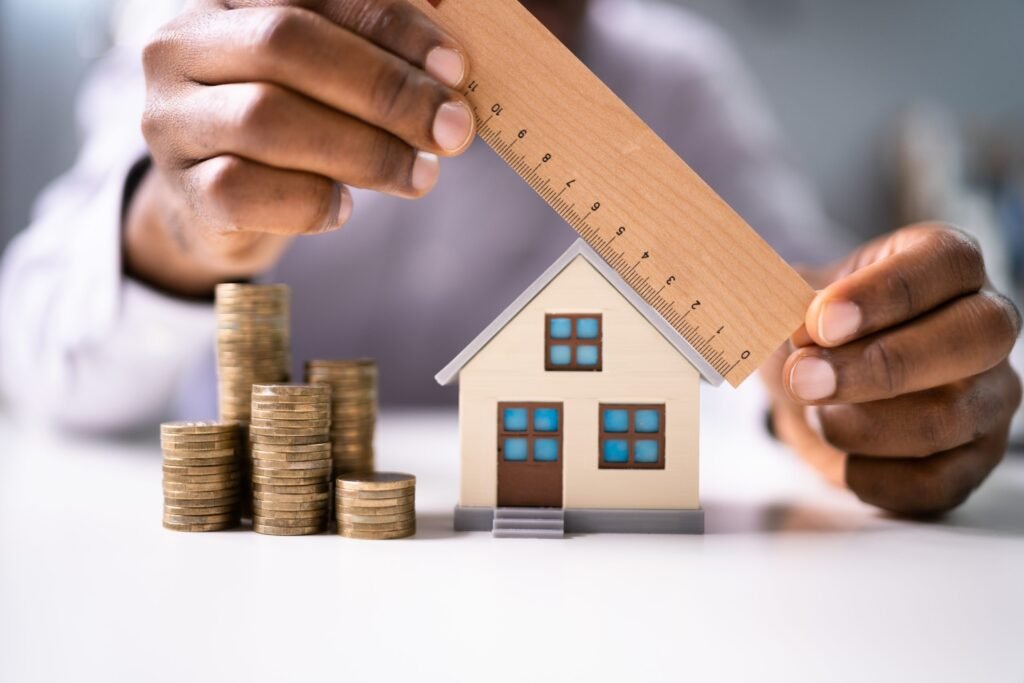
Estate appraisal starts the process when settling a loved one’s property after they pass. Families and executors face tough choices, and getting this right keeps things fair and legal. Devine Appraisals INC steps in with expert help for smooth handling.
Why Estate appraisal Matters Now
Estate appraisal sets the true value of homes and land on the date of death. Courts, taxes, and heirs all rely on this number to avoid fights or IRS issues. Think of it as the foundation—get it wrong, and the whole settlement shakes.
Rushed guesses lead to audits or family disputes. Professional estate appraisal uses market data and inspections for numbers everyone trusts. Families save time and stress when values match reality.
Who Needs Estate Appraisal Services
Executors handling residential appraisal for homes often turn to estate appraisal first. It covers the family house where memories live, now needing a fair price tag. Heirs split shares based on this solid figure.
Divorce appraisal shares some steps, but estate appraisal focuses on final settlement, not split assets. Tax boards demand proof, so certified reports protect against challenges. Everyone walks away knowing the deal holds up.
Steps in the Estate appraisal Process
Estate appraisal kicks off with a full property check. Appraisers walk the land, measure rooms, and note updates like new roofs or kitchens. They snap photos and list every detail that boosts or drops value.
Next comes market comparison. Recent sales of similar homes nearby set the benchmark—called comps. The report lands with a clear fair market value, dated to death day for tax forms.
Executors gather docs like deeds and repair records upfront. This speeds things up and sharpens accuracy. Final reports go to lawyers, courts, or notaries fast.
Choosing Experts for Estate appraisal
Look for appraisers with estate appraisal experience in your area. They know local trends, like how flood zones affect prices. Devine Appraisals INC brings certified pros who handle probate deadlines tight.
Avoid general realtors—estate appraisal needs IRS-qualified reports for tax appeal appraisal too. Check credentials and past estate cases before signing on.
Families ask: How long does estate appraisal take? Most wrap in two weeks, but complex properties stretch to a month.
Common Costs of Estate appraisal
Estate appraisal fees run $400 to $1,000 for standard homes, based on size and location. Larger property estate appraisal tasks climb higher with extra research.
| Appraisal Type | Typical Cost | Timeframe | Best For |
| Residential appraisal | $300-$600 | 1-2 weeks | Single family home |
| Estate appraisal | $500-$1,200 | 2-4 weeks | Full probate value |
| Divorce appraisal | $400-$800 | 1-3 weeks | Asset split |
| Tax appeal appraisal | $600-$1,500 | 3-6 weeks | Dispute challenges |
Budgets factor in travel for rural spots. Worth every penny to dodge tax penalties.
Estate appraisal for Tax and Probate
Taxes hit hard without proper estate appraisal. IRS wants date-of-death values for estates over thresholds. Miss it, and penalties stack up quick.
Probate courts use estate appraisal to approve distributions. Heirs get equal shares backed by facts, not guesses. Tax appeal appraisal follows if county assessments seem off—appraisers fight for lower bills.
Executors file Estate Information Returns now, proving values with pro reports.
Handling Family Dynamics in Estate appraisal
Tensions rise when heirs question values. Estate appraisal brings neutral pros to settle debates. Everyone sees the math, from square footage to neighborhood shifts.
Communication keeps peace—share the report early. Some families sell fast post-estate appraisal, others buy out shares. Options open once numbers clear.
Estate appraisal vs Other Valuations
Estate appraisal differs from sales comps. Realtor estimates guess future prices; estate appraisal locks in past-day facts. Banks ignore it for loans, but courts swear by it.
| Feature | Estate appraisal | Realtor CMA | Zillow Zestimate |
| Legal Weight | High (IRS/Court) | Low | None |
| Date Specific | Death day | Current | Estimated |
| Detail Level | Full report | Quick sheet | Algorithm |
Choose estate appraisal for official needs.
When to Get Estate appraisal Urgently
Date-of-death timing rules estate appraisal. Delays mean refiling taxes or audits. Executors act fast post-funeral to lock values before markets swing. Market drops? Still use death-day facts—appraisers adjust with proof. Rush jobs cost extra but save headaches.
Myths About Estate Appraisal
People think online tools replace estate appraisal. Algorithms miss unique features like custom basements. Pros spot value realtors skip.
Another: Family members appraise themselves. Courts reject it—bias kills credibility. Stick to certified for safety.
Real Stories from Estate appraisal
One executor faced a crumbling farmhouse. Estate appraisal revealed hidden land value, doubling the pot for kids. Fair split healed old rifts.
In a city condo case, estate appraisal caught a view premium recent sales proved. Heirs sold quick, no disputes.
Tips for Executors in Estate Appraisal
- Secure the property right away—no changes till appraised.
- List all personal items tied to real estate.
- Pick appraisers familiar with tax appeal appraisal if needed.
- Keep heirs in the loop every step.
- Budget for estate appraisal in probate costs upfront.
Future of Estate Appraisal
Tech speeds estate appraisal with drones for big lots. AI aids comps, but humans decide final calls. Local knowledge stays king. Rising estates mean more demand—plan early with pros like Devine Appraisals INC.
Frequently Asked Questions
What exactly is an estate appraisal and why does it matter for families?
Estate appraisal values property at the date of death for taxes, probate, and fair splits. It prevents disputes and IRS fines by providing court-ready proof—families rely on it to divide assets equally without guesses.
How long does an estate appraisal take to complete?
Most estate appraisal jobs finish in 7-14 days, including site visit and report. Complex cases with large land add a week or two, but executors get updates to stay on probate timelines.
Who pays for the estate appraisal in a probate case?
The estate covers estate appraisal costs from its funds before distributions. Executors don’t pay out-of-pocket; it’s a standard probate expense deducted fairly from the total assets.
Can heirs challenge an estate appraisal value?
Yes, heirs can request a review if new info surfaces, like missed repairs. But certified estate appraisal holds strong in court—most accept it to avoid extra fees and delays.
What’s the difference between estate appraisal and residential appraisal?
Estate appraisal focuses on date-of-death value for legal settlement, while residential appraisal suits sales or loans with current market focus. Estates need IRS-compliant detail.
Do I need estate appraisal for small estates under tax limits?
Even small estates benefit from estate appraisal for probate approval and heir peace. Courts often require it, and it protects against future tax audits or family claims.
How does divorce appraisal compare to estate appraisal?
Divorce appraisal splits assets now, using current values; estate appraisal sets historical death-date figures for taxes and inheritance. Both need pros, but purposes differ.
What if the property market changes after estate appraisal?
Estate appraisal locks the death-date value regardless of later shifts—IRS rules it. Families use it for taxes; sales later get fresh residential appraisal.
Can estate appraisal help with tax appeal appraisal?
Absolutely—estate appraisal reports support tax appeal appraisal challenges against high assessments. Accurate comps prove lower values for property tax savings.
How to pick the right appraiser for estate appraisal?
Seek certified experts with estate experience, local market knowledge, and IRS quals. Check reviews and timelines—firms like Devine Appraisals INC deliver reliable reports fast.